

Volkswagen Chief Visits German Plant Fighting for Survival as Cost Pressure Mounts
Volkswagen's chief executive has travelled to one of the German carmaker's domestic plants that has been identified as at risk, using the visit to hammer home a blunt message: the
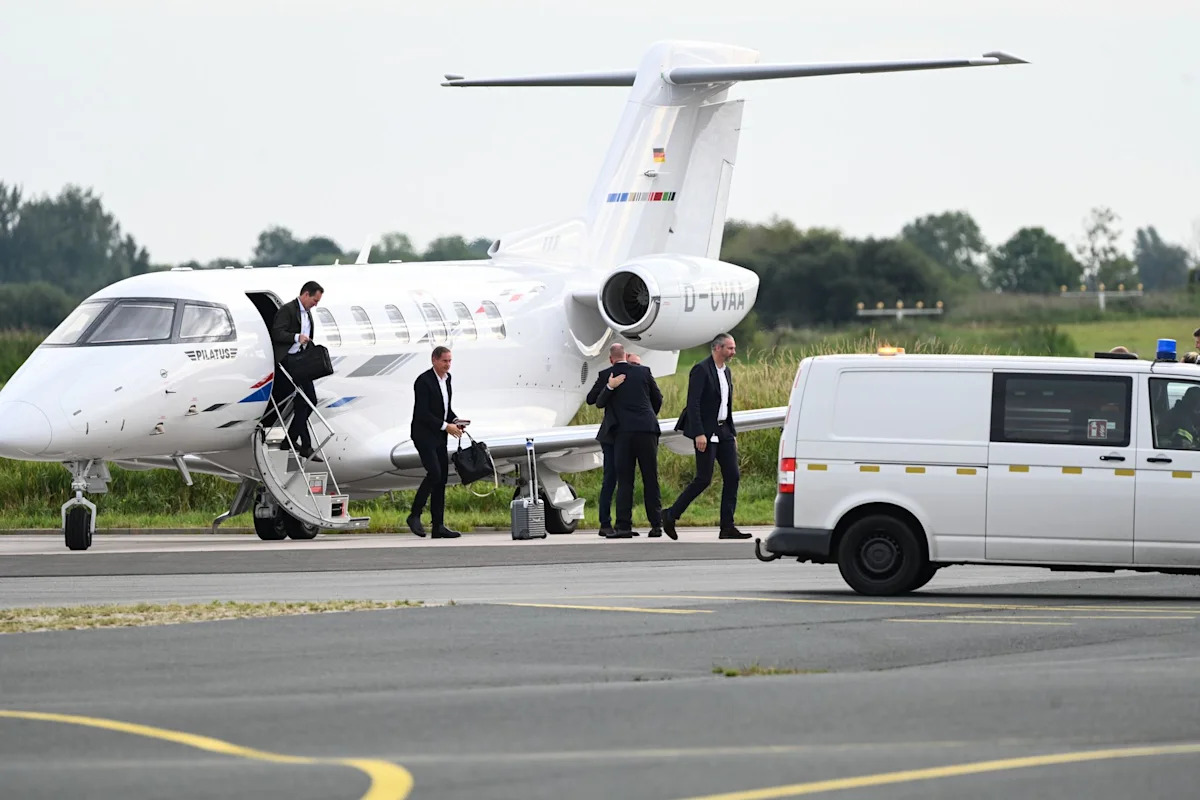
Volkswagen's chief executive has travelled to one of the German carmaker's domestic plants that has been identified as at risk, using the visit to hammer home a blunt message: the group cannot afford to carry its current cost structure into the years ahead. The trip underscores how grave management considers the situation at the site, which has been singled out as vulnerable as the company reshapes its home-market footprint.
The visit comes at a delicate moment for Europe's largest automaker. Volkswagen is contending with a squeeze from several directions at once — elevated production costs in Germany, weakening demand in its core European market, the expensive transition to electric mobility, and fiercer competition from Chinese manufacturers that are expanding aggressively both at home and abroad.
For months, executives at the Wolfsburg-based group have warned that its German operations are not competitive enough. High labour costs and energy prices, combined with more factory capacity than current sales volumes justify, have left the company burning cash in parts of its business. Management has pointedly refused to rule out plant closures on home soil, a step that would be unprecedented in the group's long history and one that has alarmed policymakers in Berlin.
During his time at the facility, the chief executive toured the site and met with plant leadership, repeating that the future of any location ultimately depends on getting costs down and productivity up. According to the company's framing, no site can be treated as untouchable unless it can hold its own against the benchmarks set by competitors in Europe and Asia.
Employee representatives see the matter very differently. The works council and the powerful IG Metall union argue that cutting capacity in Germany would hand the company's rivals an advantage just as the electric vehicle market begins to gather pace. They contend that the group should protect its skilled workforce and use existing plants to build the next generation of models rather than shrink its industrial base.
The standoff has put the traditional cooperation between Volkswagen's management and its labour representatives under visible strain. Labour holds half of the seats on the group's supervisory board, giving worker representatives a formal say in major structural decisions and making any forced closure politically difficult to push through.
The stakes extend well beyond the factory gates. Volkswagen is one of Germany's largest employers, and the fate of a single plant ripples through a dense network of regional suppliers, service firms and local communities. Economists and industry watchers view the current dispute as a test case for whether Germany's manufacturing-heavy economic model can adapt to a new era of higher costs and stiffer global competition.
The pressure on profitability is compounded by troubles in China, long the group's most profitable market, where Volkswagen-branded vehicles have been losing share to nimble domestic electric-car producers. Money earned there historically helped bankroll the company's transformation; rebuilding that cushion is one reason executives insist that savings in Europe are unavoidable.
Talks between management and employee representatives over the group's restructuring plan are continuing, and neither side has shown appetite for an early climbdown. Further decisions on capacity, jobs and investment are expected once those negotiations conclude. Until then, the threatened plant remains in limbo — and the chief executive's warning makes clear that its survival hinges on demonstrable progress on costs.
What's Your Reaction?
 Like
0
Like
0
 Dislike
0
Dislike
0
 Love
0
Love
0
 Funny
0
Funny
0
 Wow
0
Wow
0
 Sad
0
Sad
0
 Angry
0
Angry
0

Editor Hukum. Alumni FH UI. Meliput pengadilan, MA, dan judicial review.



Comments (0)