

Federal Judge Blocks Minnesota’s Attempt to Force Extradition of ICE Agent Charged with Shooting Man During Raid
A federal magistrate has ruled that he cannot compel Texas Governor Greg Abbott to hand over an Immigration and Customs Enforcement agent accused of shooting a Minnesota resident d
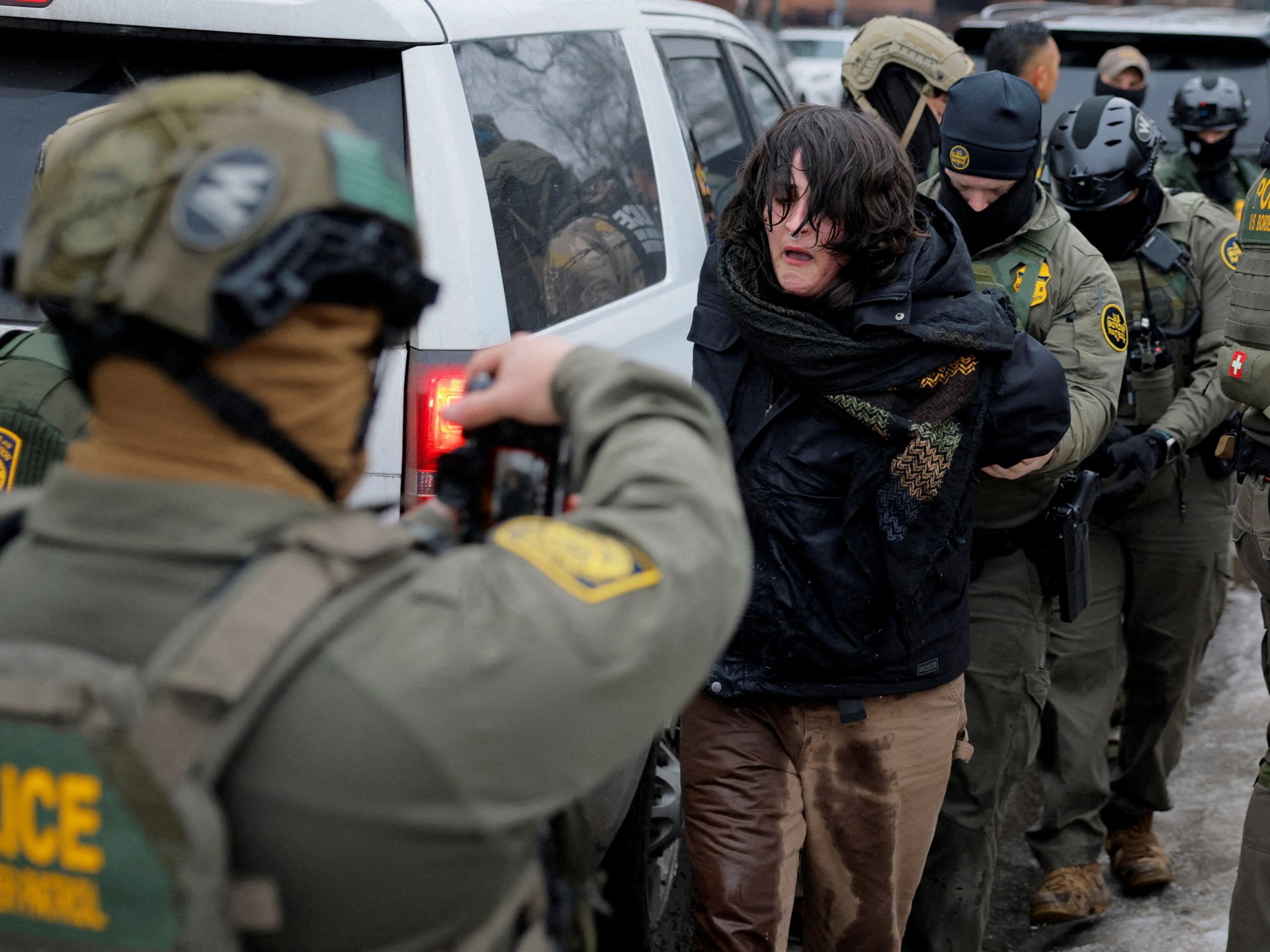
A federal magistrate has ruled that he cannot compel Texas Governor Greg Abbott to hand over an Immigration and Customs Enforcement agent accused of shooting a Minnesota resident during an immigration raid and then fabricating the circumstances surrounding the incident. The decision leaves the state of Minnesota without a legal pathway to bring the agent to trial for more than two months after criminal charges were first filed.
The agent, Christian Castro, has been held in a county jail in Brownsville, Texas, since May. He faces charges of assault and falsely reporting a crime in Hennepin County, which encompasses Minneapolis. The charges stem from an incident on January 14, when Castro allegedly fired a weapon through the front door of a Minneapolis home during an operation connected to President Donald Trump’s sweeping immigration enforcement push, striking Julio Cesar Sosa-Celis in the leg.
Prosecutors contend that after the shooting, Castro and another agent fabricated a narrative claiming that Sosa-Celis and a second individual had assaulted federal authorities using a broom handle and a snow shovel. Those accusations were later disproven when video footage of the encounter surfaced, and the criminal charges originally brought against Sosa-Celis were dropped.
Todd Lyons, who was serving as acting ICE director at the time, acknowledged in February that the agents had apparently made “untruthful statements.” Both Castro and the second agent were placed on administrative leave following the admission. Castro was subsequently taken into custody in Texas as the extradition dispute began to unfold.
Minnesota officials filed suit in state court earlier this month, alleging that Abbott, a Republican, had deliberately declined to authorize the extradition of Castro for political reasons tied to the Trump administration’s aggressive deportation efforts. Attorney General Keith Ellison argued that the governor had a legal obligation to facilitate the transfer and accused him of flouting extradition law to shield a federal agent.
U.S. Magistrate Judge Fernando Rodriguez Jr. disagreed with that characterization in his ruling issued Wednesday. He wrote that he had no authority to intervene because Abbott had neither formally agreed to nor rejected the extradition request. The judge concluded that until the governor takes an affirmative action, no violation of the law has occurred that a federal court could remedy.
Under Texas state law, the subject of an extradition order may not be detained for more than 90 days without either being transferred to the requesting jurisdiction or being released. That deadline for Castro was set to expire on Thursday, heightening the urgency for Minnesota officials who feared that he could flee the country if freed from custody.
State authorities have pointed to phone calls Castro made from jail to a woman in Mexico as evidence that he poses a flight risk. According to court filings, Castro discussed marriage plans and purchasing property in Mexico upon his release, raising concerns among prosecutors that he would attempt to leave the United States before facing trial.
Ellison criticized the judge’s ruling in a social media post, writing that Abbott had refused for nearly three months to return Castro to Minnesota, where the alleged victim was shot inside his own home. The attorney general reiterated his position that the governor had a legal duty to surrender the agent and accused Abbott of ignoring established law.
The case draws attention to a broader pattern of tension between state and federal officials over immigration enforcement. Trump’s operation in Minnesota, launched in December and lasting less than three months, resulted in the large-scale deployment of federal agents to the region. The campaign, known as Operation Metro Surge, generated widespread protests and drew allegations of civil liberties abuses from residents and watchdog organizations.
Sosa-Celis has not faced any charges following the dismissal of the original case against him. No trial date has been set for Castro, and his current custody status remains subject to the expiration of the 90-day Texas detention limit without resolution of the extradition dispute.
What's Your Reaction?
 Like
0
Like
0
 Dislike
0
Dislike
0
 Love
0
Love
0
 Funny
0
Funny
0
 Wow
0
Wow
0
 Sad
0
Sad
0
 Angry
0
Angry
0

Investigative Reporter. Spesialisasi: korupsi, pencucian uang, dan kejahatan korporasi.




Comments (0)